Self Care
Self Care
Collection
Learn how to take care of and appreciate yourself, inside and out.

Mental Health View All

Mental Health Care for Prisoners
Top of Mind with Julie Rose
Mental Health Care for PrisonersOct 29, 201820mGuest: Dr. Jeffrey L. Metzner, Clinical Professor of Psychiatry, University of Colorado. Elizabeth Smart’s kidnapper and rapist Brian David Mitchell is serving a life sentence in prison. But Wanda Barzee – Smart’s other captor – has just been released from prison. Barzee received a 15-year sentence for pleading guilty but mentally ill to her role in the 2002 crime. While in prison, the state parole board says Barzee refused mental health evaluation. Even so, the board determined she had served her time and they couldn’t keep her any longer. Elizabeth Smart and her family believe Barzee is still a danger and implored officials to reconsider. How is it that someone who admits mental illness underlying a serious crime – and maybe even gets a more lenient sentence as a result of that – can refuse treatment while in prison and then be released back into the public?
Guest: Dr. Jeffrey L. Metzner, Clinical Professor of Psychiatry, University of Colorado. Elizabeth Smart’s kidnapper and rapist Brian David Mitchell is serving a life sentence in prison. But Wanda Barzee – Smart’s other captor – has just been released from prison. Barzee received a 15-year sentence for pleading guilty but mentally ill to her role in the 2002 crime. While in prison, the state parole board says Barzee refused mental health evaluation. Even so, the board determined she had served her time and they couldn’t keep her any longer. Elizabeth Smart and her family believe Barzee is still a danger and implored officials to reconsider. How is it that someone who admits mental illness underlying a serious crime – and maybe even gets a more lenient sentence as a result of that – can refuse treatment while in prison and then be released back into the public?

Anxiety View All

Introversion and Social Anxiety
The Lisa Show
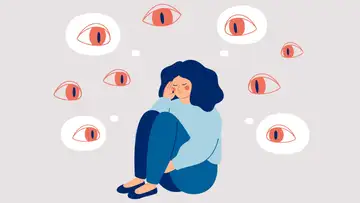
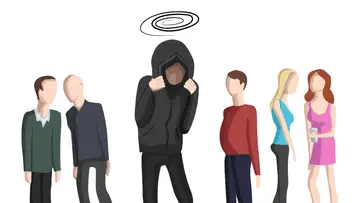
Introversion and Social AnxietyOct 3, 201817mIf you feel more recharged after spending the evening at home with a book than you do after a night out with friends, that’s a good indication that you’re an introvert. But if the thought of going to a party with a noisy crowd makes you freeze in fear, you’re probably experiencing something more than just introversion or shyness. Social anxiety is the third most common psychological disorder, after depression and alcoholism. Dr. Ellen Hendriksen joins us to talk about how introversion and social anxiety relate, how to face your anxious fears, and how to be yourself. Dr. Ellen Hendriksen is a clinical psychologist at Boston University’s Center for Anxiety and Related Disorders. She is the host of the podcast “Savvy Psychologist,” and the author of the book How to Be Yourself: Quiet Your Inner Critics and Rise Above Social Anxiety.
If you feel more recharged after spending the evening at home with a book than you do after a night out with friends, that’s a good indication that you’re an introvert. But if the thought of going to a party with a noisy crowd makes you freeze in fear, you’re probably experiencing something more than just introversion or shyness. Social anxiety is the third most common psychological disorder, after depression and alcoholism. Dr. Ellen Hendriksen joins us to talk about how introversion and social anxiety relate, how to face your anxious fears, and how to be yourself. Dr. Ellen Hendriksen is a clinical psychologist at Boston University’s Center for Anxiety and Related Disorders. She is the host of the podcast “Savvy Psychologist,” and the author of the book How to Be Yourself: Quiet Your Inner Critics and Rise Above Social Anxiety.