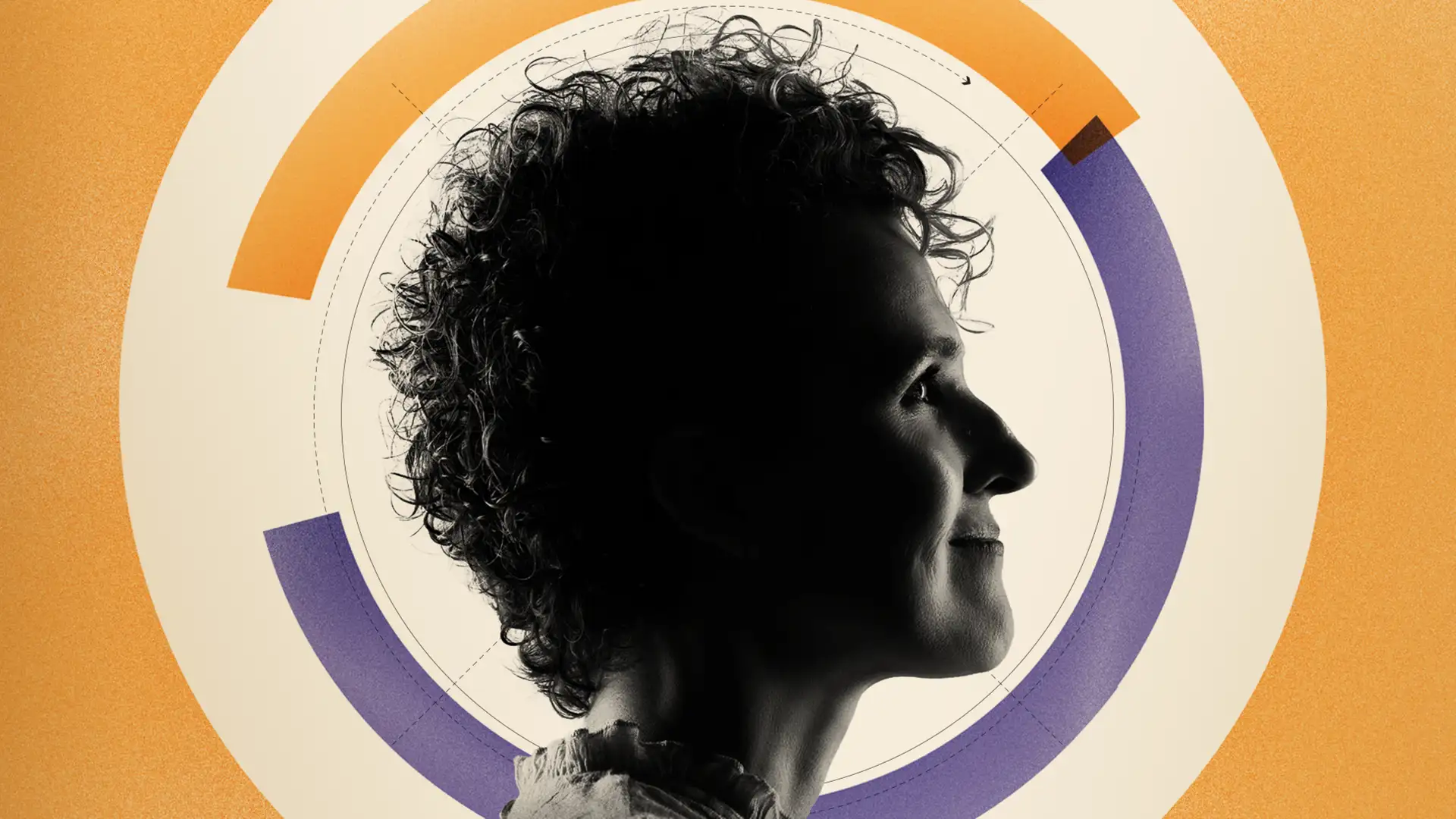
Quinn Mecham's 2015 Predictions

Quinn Mecham's 2015 Predictions

Top of Mind with Julie Rose • Season 1, Episode 202, Segment 1
Dec 22, 2015 • 25m

Guest: Quinn Mecham, PhD, BYU Professor of Political Science  It’s the time when people start looking back at the year that was and making predictions for 2016. In that spirit, BYU Political Science professor Quinn Mecham joins Top of Mind to look at how well he predicted things would play out on the international stage this year.

Ignoring Distractions
Ignoring DistractionsDec 22, 201520mGuests: Michael Halassa, PhD, Professor at New York University’s Langone Medical Center; Jim Gnadt, PhD, Program Director of the National Institute of Neurological Disorders and Stroke at the National Institutes of Health  Distraction is a constant in our daily lives. Sometimes by choice—like when you scroll through your Facebook feed while watching TV while carrying on a text conversation with a friend. Sometimes by circumstance—think about everything that comes at you when you drive—the traffic signals, the weather, the pedestrians, other cars around you and whatever you’re listening to on the radio.  How our brains are able to filter out unnecessary information and zero in on what matters is a mystery researchers funded by the National Institutes of Health are getting closer to unlocking.
Guests: Michael Halassa, PhD, Professor at New York University’s Langone Medical Center; Jim Gnadt, PhD, Program Director of the National Institute of Neurological Disorders and Stroke at the National Institutes of Health  Distraction is a constant in our daily lives. Sometimes by choice—like when you scroll through your Facebook feed while watching TV while carrying on a text conversation with a friend. Sometimes by circumstance—think about everything that comes at you when you drive—the traffic signals, the weather, the pedestrians, other cars around you and whatever you’re listening to on the radio.  How our brains are able to filter out unnecessary information and zero in on what matters is a mystery researchers funded by the National Institutes of Health are getting closer to unlocking.